
01 · Habitation
The habitat
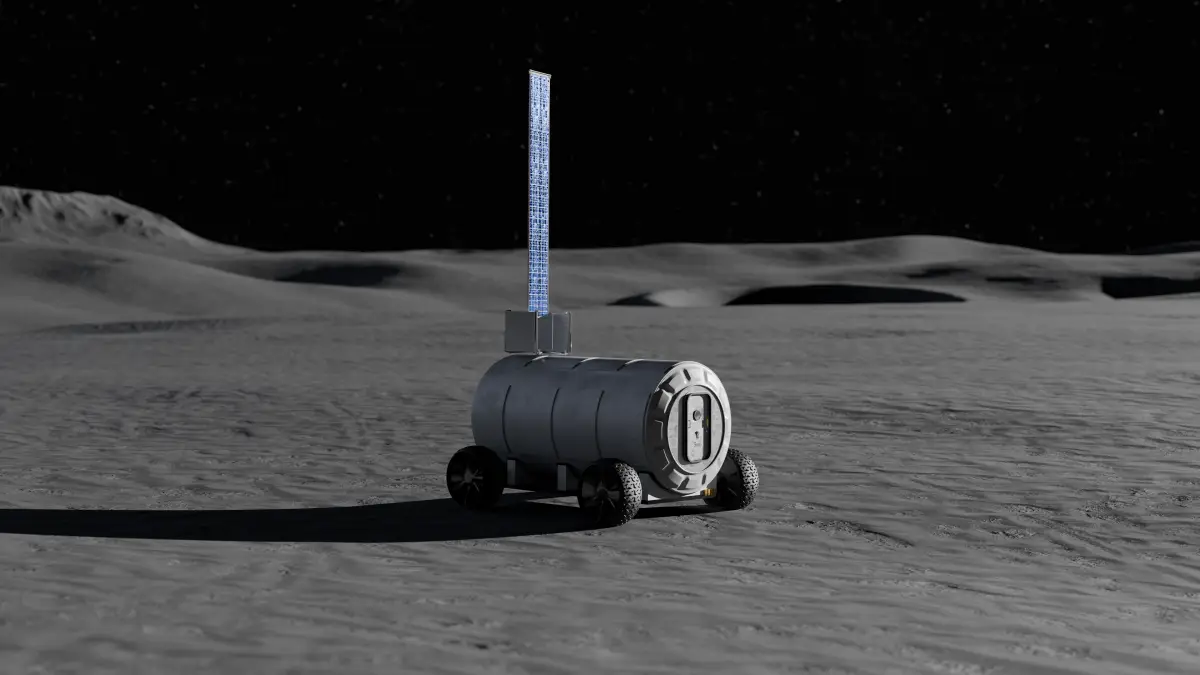
NASA's Multi-Purpose Habitat concept. In the plan, habitation systems are scoped to “the health and performance of astronauts.”
Diplo Space studies the invisible dependencies of operating far from home. Today that's GPS. Follow the question to its end. When a filing names a million-person Mars colony as a goal, somebody has to ask who actually lives there. A Moon base needs a school, a clinic, and a second income before it needs a flag. The people who already know how to live like that are military and Foreign Service families.
This page is the vivid face of a research thesis. The full argument (the two unbridged literatures, the cross-domain map, and how we’d study it) lives in the missing analog.
These are NASA’s official Moon Base renders, published with the 2026 phased plan: the habitat, the power, the resupply, the navigation mast. The agency has modeled its hardware in loving detail. Swipe to the end of the sequence for what it hasn’t.
In 2026 the gap became official. NASA’s phased Moon Base plan, announced March 24, 2026, ends at continuous crew presence, and the accompanying Moon Base User’s Guide scopes habitation systems to “the health and performance of astronauts.” The power line moved in late FY 2025, when NASA declared its intent to field a lunar fission power system of at least 100 kilowatts by 2030 (Aeronautics and Space Report of the President, FY 2025). The crew hardware is planned in detail. The community layer is not.
NASA's Multi-Purpose Habitat concept. In the plan, habitation systems are scoped to “the health and performance of astronauts.”
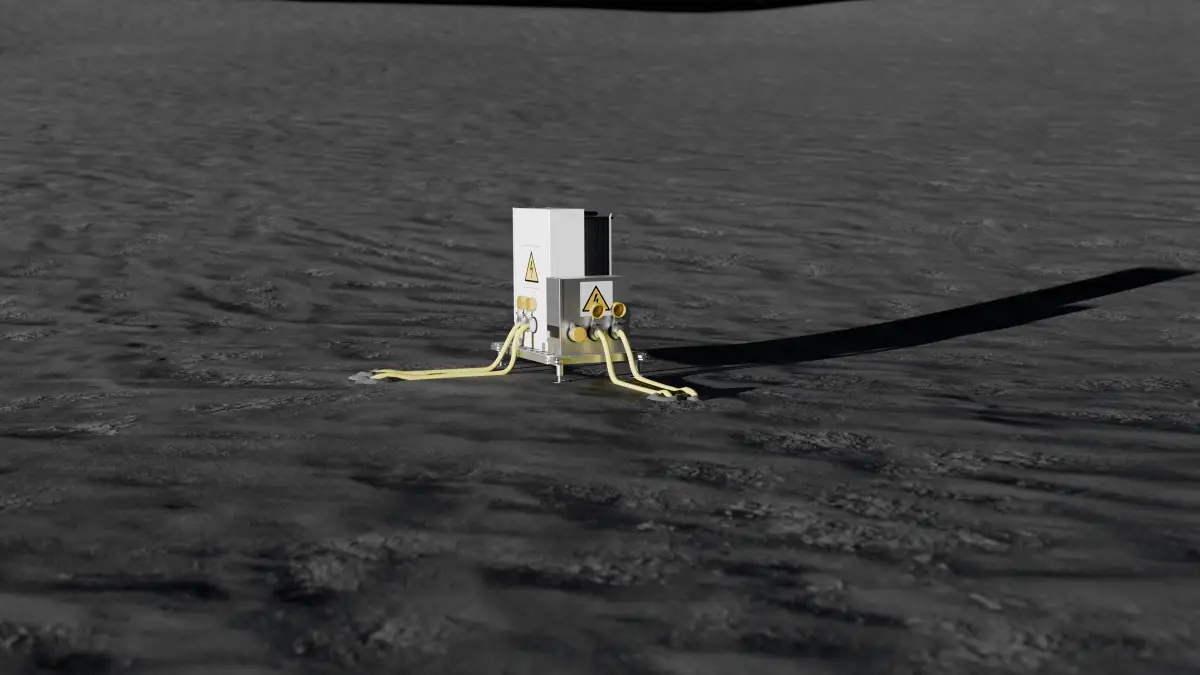
Phase one is about proving the basics: power that keeps generating, storage that carries the load, and hardware that survives the long lunar night.
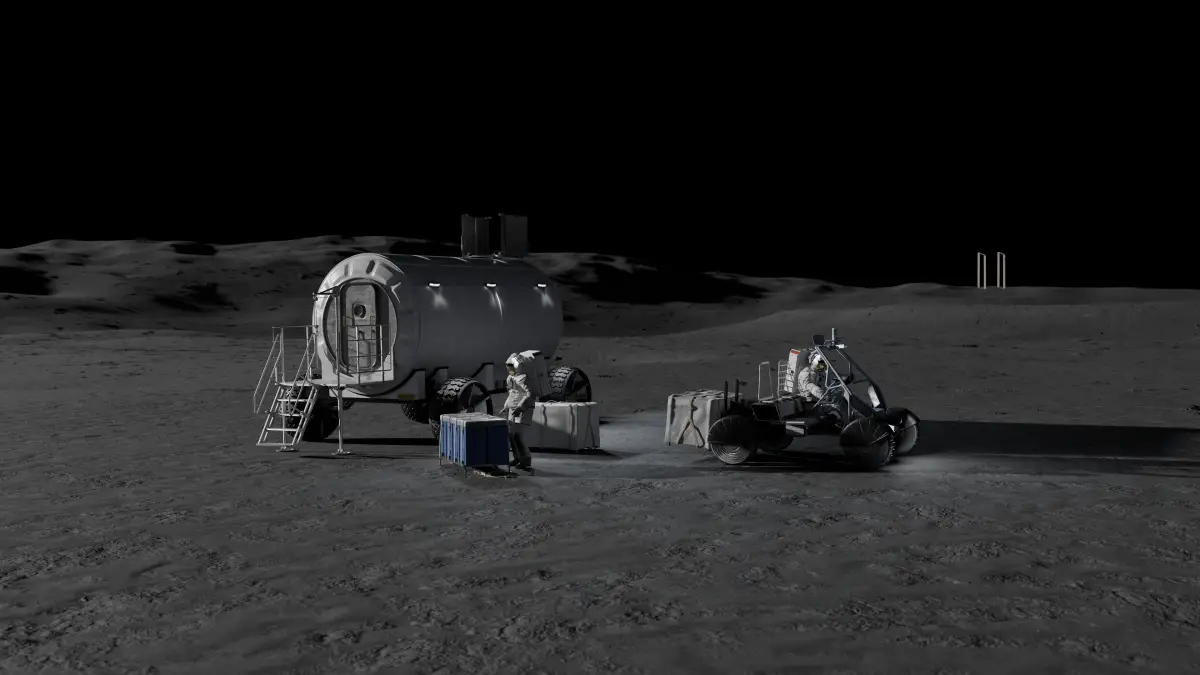
Food, clothing, water, gases: consumable resupply for crews on rotation.
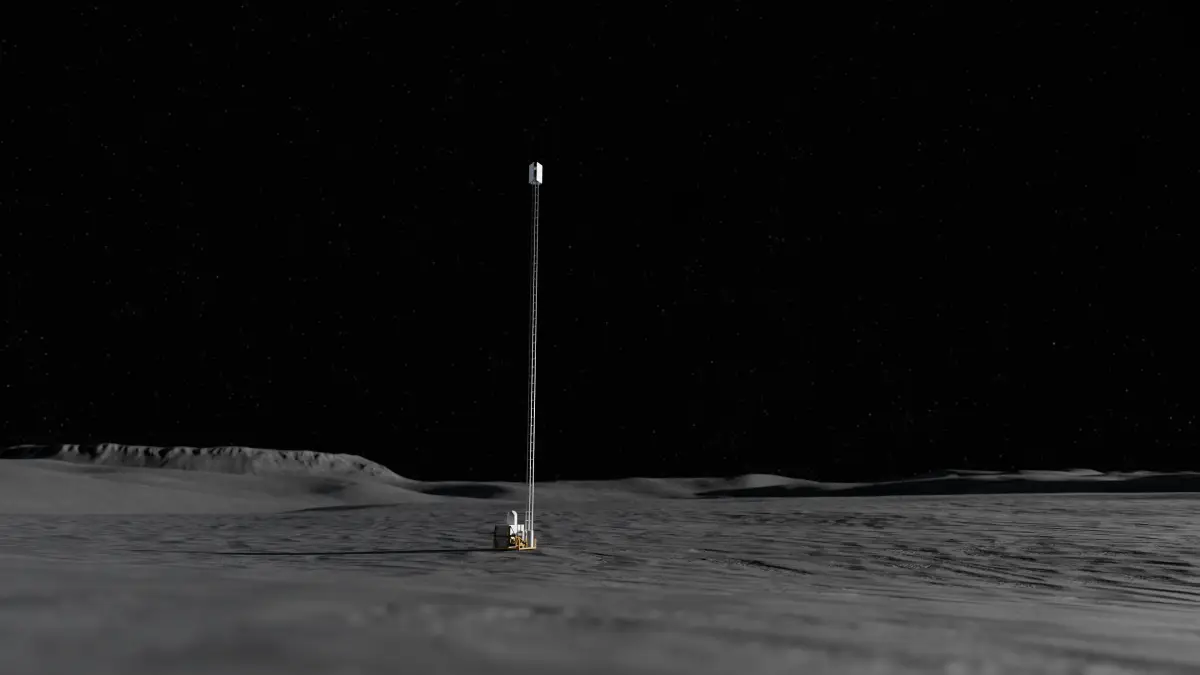
A surface communications and navigation terminal. NASA's gap list includes positioning, navigation, and timing services at the south pole — the same utility this lab studies on Earth.
Not in the architecture. The plan doesn’t model them. If presence becomes continuous, this is the layer that decides who can stay: the question this program studies.
Renders: NASA, published with the 2026 phased Moon Base plan (public domain) · nasa.gov/moonbase-systems
Antarctica’s two long-recognized civilian settlements, Chile’s Villa Las Estrellas and Argentina’s Esperanza Base, are home to families of military and base personnel, and each has operated a school. Villa Las Estrellas has reportedly required residents to undergo a preventive appendectomy, because the nearest surgical care is so far away. Emilio Palma, born at Esperanza in January 1978, is recognized as the first person documented born on the Antarctic continent.
When nations needed to make a permanent presence real in an extreme environment, the institution they reached for was the service family. It is, to our knowledge, the most relevant operating precedent that exists for a town far from home, and almost nobody in the settlement conversation has read it.
Military and Foreign Service families have decades of documented experience with every one of these: separation from home, contact rationed and delayed, a life an institution controls, a career that keeps restarting, children raised on the move. Read those across to the off-world environment and each becomes a research question. The full cross-domain map (military, Foreign Service, and off-world, with the limits of each) is laid out in the missing analog.
Where the analogy breaks, said up front: assignment isn’t self-selection, Mars has no medevac, and radiation and partial-gravity effects on children are unknown and ethically fraught. This program studies operations and institutions: how a community far from home is supplied, employed, schooled, and held together. It never advocates sending anyone anywhere, and the founder’s own household is never named or leveraged.
The space-governance and GPS work is the mission and pays the bills. This is the horizon we’re building toward, in the open, one synthesis and one scene at a time. Progress is measured in citations and honest curiosity, not revenue. No study has run yet; the first step is a literature review that needs no participants. The methods are the ones we already use: public sources, labeled estimates, the boundary in writing. If you fund, study, or build for human spaceflight and this is your question too, say hello.